Call: 780-488-1726

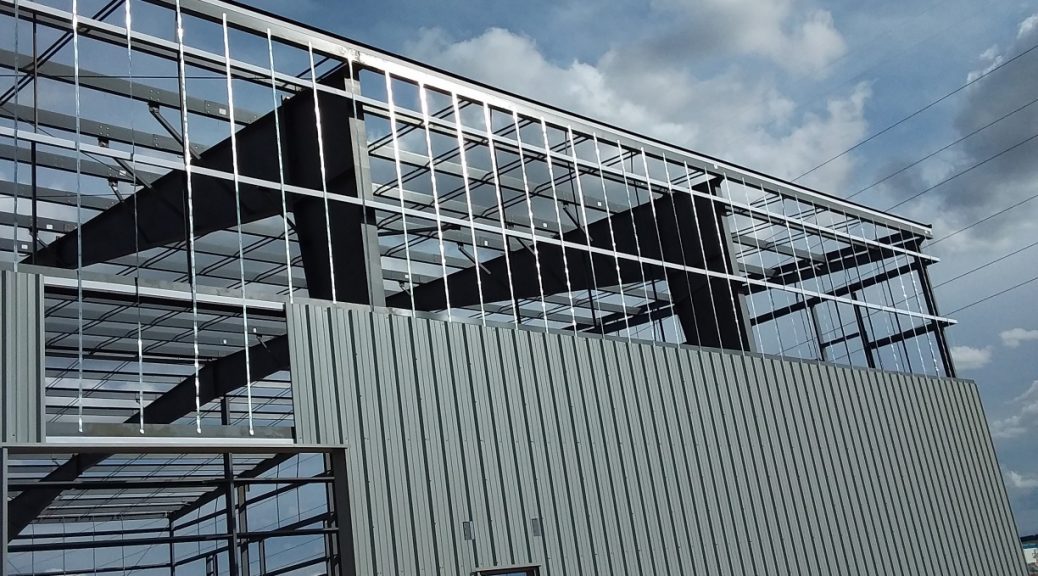
It comes as no shock factor that steel is one of the most widely used construction materials owing to its ease of construction, lightweight structures and high tensile strength and durability. Thus, steel structures in Canada are widespread and increasingly sought after by investors. even with all its advantages, steel construction places a heavy responsibility on companies to produce quality steel and excellent pre-engineered structural components in all their projects due to the reliance that comes with a tried and trusted commodity.
Structural steel construction in Canada is hence a widely sought-after and lucrative business that is widely used in not only buildings but also other structures like oil rigs, bridges, etc. Although they look simple, the processes involved place a heavy emphasis on precision, equipment, and efficient machinery. There are two parts to this process:
Structural design:
The structural design consists of five steps:
-
Conceptual design:
Here, the initial design of the structure is made based on code recommendations. The columns’ positions, locations, and orientations are determined, with the condition that at least one-third of the columns are placed in the x or y directions to offer adequate earthquake resistance. Next is the type of structural system, depending on which the position of the beams is selected.
-
Calculate the internal forces of each element:
Frist, based on an approximate set of dimensions, the analysis model is created. This analysis model calculates the direction, measure, and position of internal forces on each structural element.
-
Iterative design:
Based on the strain on the individual elements obtained from the sizing, an iterative design is made according to the relevant code. Now, this design is contrasted to existing designs, an appropriate set of dimensions is obtained, and the analysis is re-run. Finally, the internal forces are calculated again, and an updated iterative design is formed again.
-
Foundational design:
The foundation design is determined based on the final dimensions from the final design. The factors taken into consideration are the bearing capacity of soil and the load bearing down from the structure.
-
Drafting:
The final design is detailed accordingly the structural plan is created. These plans should be fully detailed so that the construction process on the site can proceed smoothly.
Construction of the steel-framed structures:
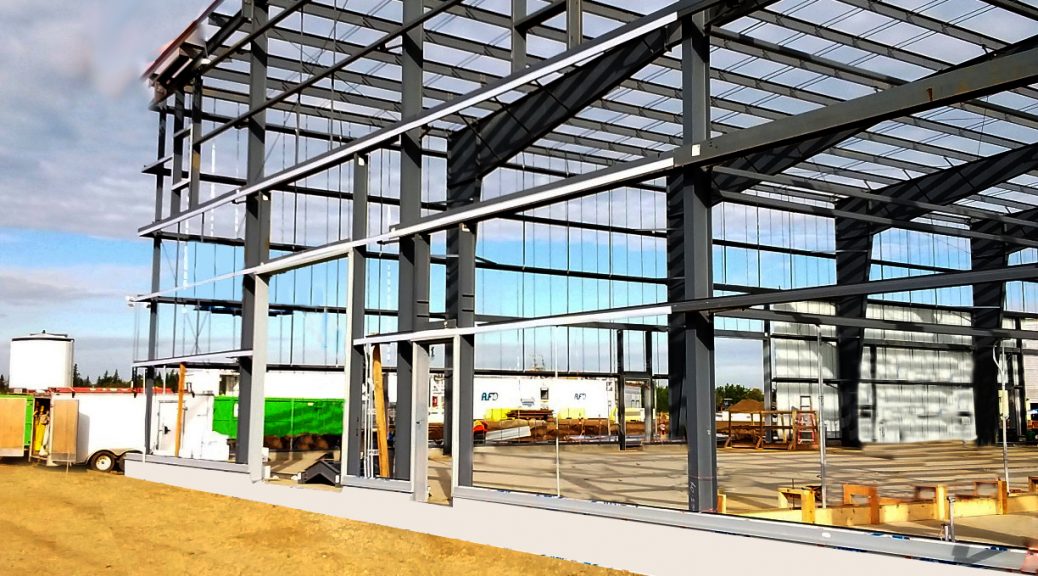
This consists of the construction of the foundation, beams, columns, and floors:
-
Foundation:
The type of foundation is determined using the soil’s load-bearing capacity. The soil analysis is carried out with surface and subsurface exploration and are used to assess the condition of the soil. Types of foundation include reinforced concrete bearing pad foundation for moderate or low loads and pile foundation for when the strength of soil is poor, and the bearing load is large.
-
Columns:
Connection between the foundation and column and splices between columns is the crucial aspect here. For foundation to column, base plates are welded to the end of columns. The most desired shape for columns is square or rectangular.
-
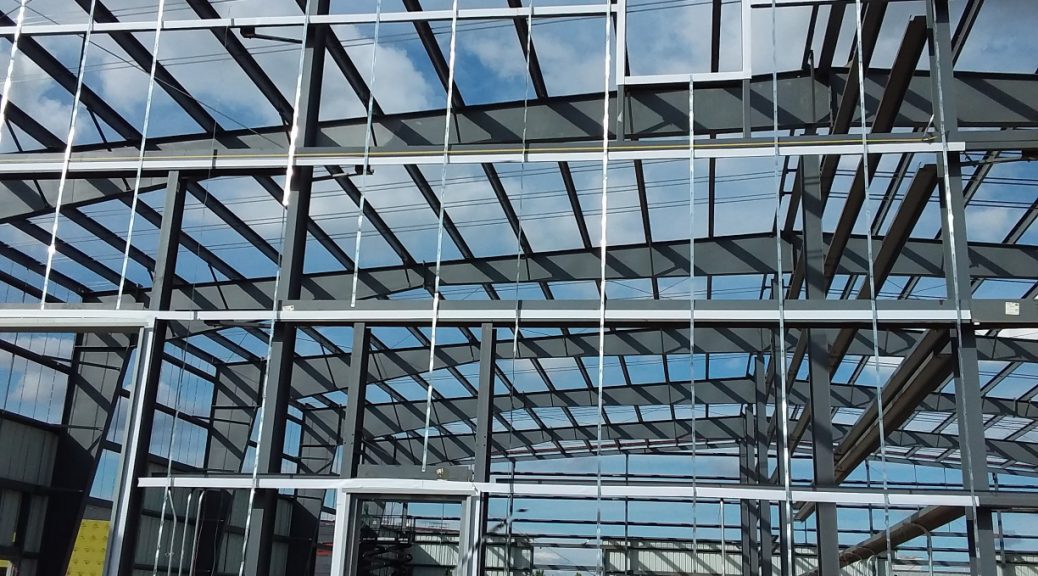
Beams:
Beams transfer loads from the floor to the roofs to the columns. The selection of type is based on the type of loads imposed on the column to the beam joint.
-
Flooring:
This depends on the vertically applied loads, but they also act as diaphragms, resisting the lateral loads with the aid of bracings.
At Ironspan Canada, we are geared toward providing quality at affordable rates. With over 60 years of experience, we pride ourselves on being Canada’s most trusted metal construction company. This is completely because of our dedicated and experienced team with decades of experience and expertise. Visit our website to view our designs and contact us now!!